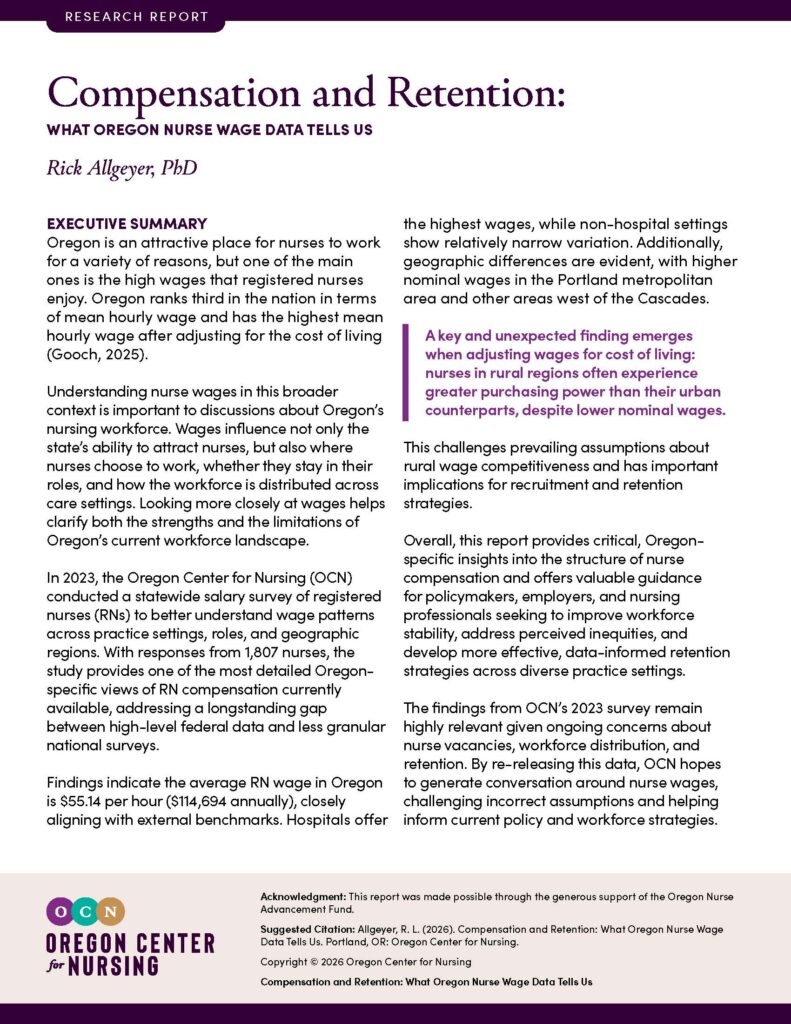
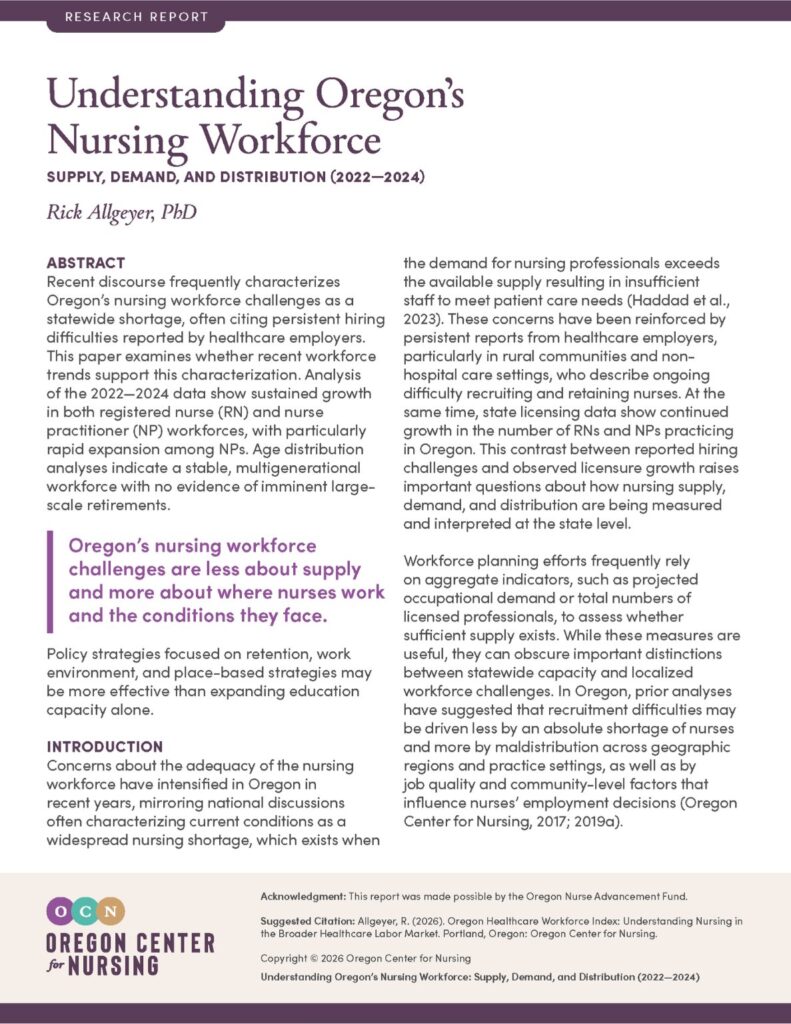
Primary Care Workforce Crisis Looming in Oregon: Nurse Practitioners Vital to Filling the Gap, But Not Enough to Go Around
Oregon faces an urgent primary care shortage, with only a fraction of nurse practitioners delivering direct primary care services. Despite favorable practice laws, the state struggles to align NP capacity with community needs. Policymakers must rethink workforce distribution to avoid deepening care disparities statewide.
Primary Care Workforce Crisis Looming in Oregon: Nurse Practitioners Vital to Filling the Gap, But Not Enough to Go Around
Oregon’s healthcare system is at a tipping point, with mounting primary care needs outstripping the availability of providers across the state. While nurse practitioners (NPs) are well-positioned to ease the burden—particularly in full practice states like Oregon—most are not working in settings or specialties classified as primary care. In fact, only one-quarter of Oregon’s practicing NPs are estimated to meet both the specialty and setting criteria to qualify as primary care nurse practitioners (PCNPs).
This gap in primary care delivery is especially striking given the robust growth of the NP workforce in recent years. Yet growth alone has not translated into greater access, particularly in urban areas where many NPs work in specialty roles. A detailed geographic and role-based analysis shows rural counties may have better per-capita access to PCNPs than urban counterparts—challenging assumptions about workforce distribution.
To address this imbalance, the report recommends targeted recruitment and incentive programs, expansion of NP education pathways within Oregon, and a deeper understanding of why NPs choose or avoid primary care roles. Without decisive action, Oregon’s provider shortfall will persist, and communities most in need will remain underserved.
What's Inside
25%
Only a quarter of Oregon’s practicing nurse practitioners are working in primary care offices and specialties.
13
Number of rural counties with fewer NPs per capita than the statewide average
745
Estimated number of nurse practitioners providing primary care in both appropriate setting and specialty
Better, But Not Well: Changes in Oregon Nurse Well-Being and Workplace Conditions from 2022 to 2025
Recovery across Oregon’s nursing workforce has begun, yet many workplace challenges continue to shape nurses’ daily experiences. Comparing survey findings across two time points, the report explores how emotional well-being,…